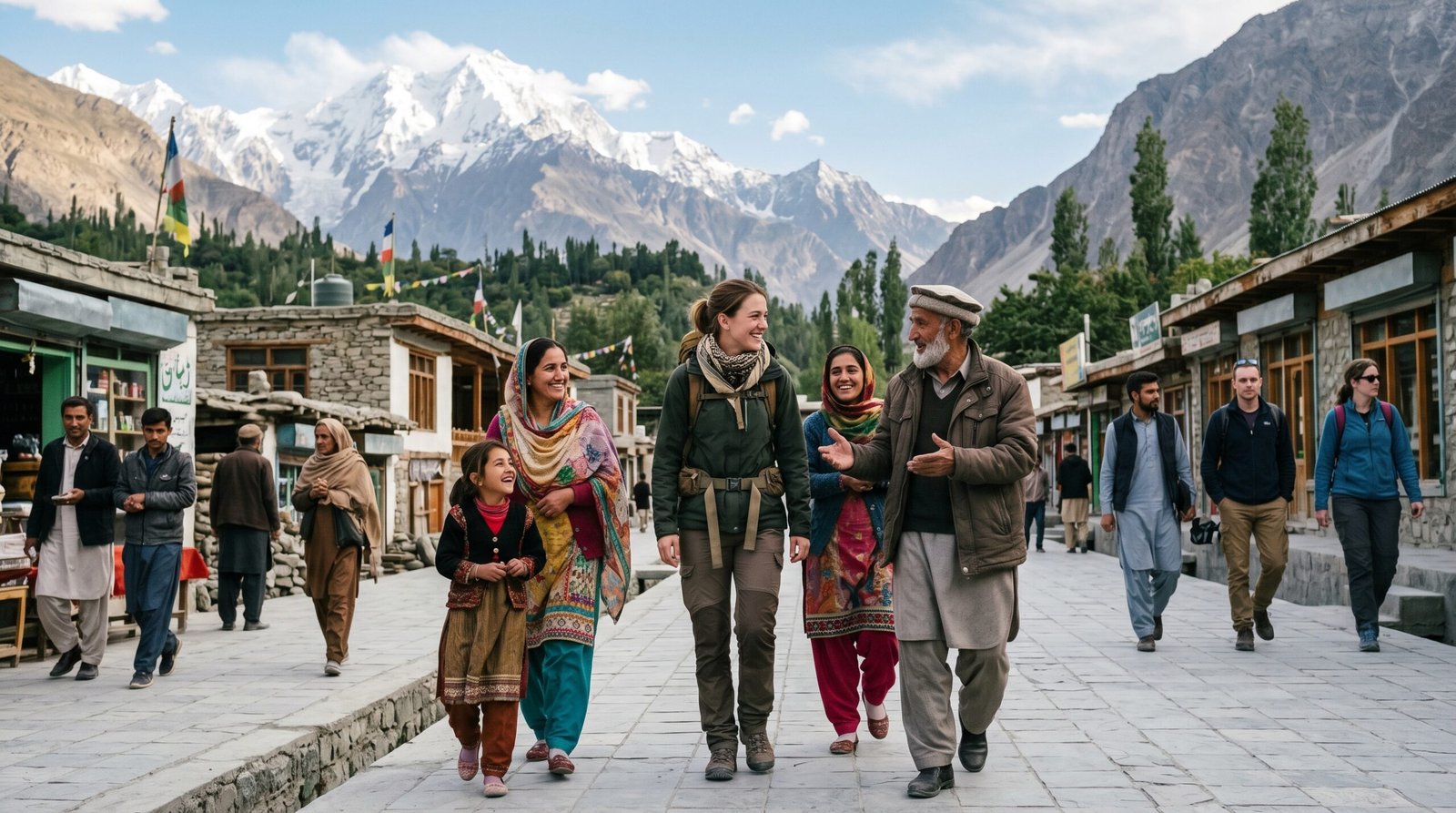
Swat Valley is perfect for travellers seeking verdant mountain landscapes, cool river valleys, ancient Buddhist heritage, and a gentler introduction to Pakistan’s north. Unlike the dramatic high-altitude terrain of Hunza and Skardu, Swat offers lush green scenery, rich cultural history, and family-friendly accessibility — a destination that appeals to families, history lovers, winter sports enthusiasts, and anyone looking for a beautiful mountain escape.
Whether you are planning a family mountain holiday, a cultural journey through Gandhara Buddhist heritage, a winter skiing trip, or a scenic valley exploration, our Swat journeys are designed to reveal the full depth of Pakistan’s most beautifully green mountain destination.
07 Days 06 Nights Tour
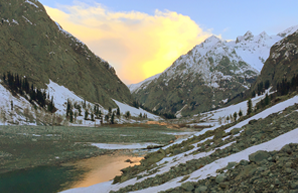
A curated private journey through Swat’s highlights — Kalam Valley, Malam Jabba, Mahodand Lake, and the Gandhara Museum — with premium accommodation and private transport.
07 Days 06 Nights Tour
A comprehensive exploration of lower and upper Swat, reaching Kalam Valley, Gabral, Ushu Forest, Mahodand Lake, and the remote Jarogo Waterfall.
07 Days 06 Nights Tour
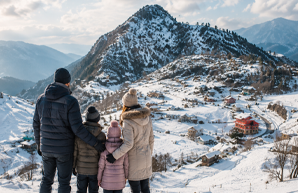
Designed for families — Malam Jabba chairlift, Fizagat River Park, Swat Museum, local bazaar visits, and comfortable hotels.
07 Days 06 Nights Tour
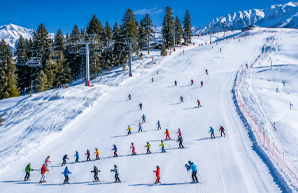
Pakistan’s only ski experience at Malam Jabba, combined with snow-covered valley scenery. Equipment rental and instruction arranged.
07 Days 06 Nights Tour
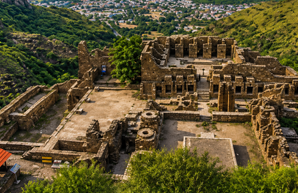
A specialist cultural journey — Swat Museum, Butkara Stupa, outdoor Gandhara sites, and expert archaeological guide.
07 Days 06 Nights Tour
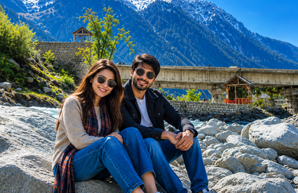
Romantic mountain scenery, private luxury accommodation, Kalam Valley river dinners, and guided forest walks.
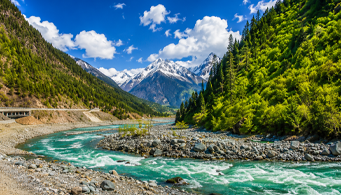
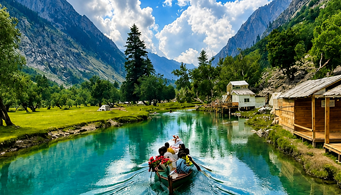
The crown jewel of upper Swat at 2,100 metres — lush green meadows, dense pine forests, cascading waterfalls, and the fast-flowing Swat River. The base for exploring Mahodand Lake, Gabral Valley, Ushu Forest, and the higher reaches of the valley.
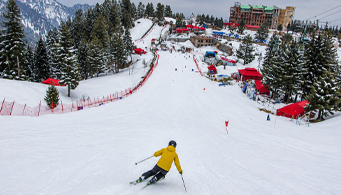
Pakistan’s only international-standard ski resort at 2,800 metres, completely rebuilt and reopened. In winter: skiing and snowboarding on well-maintained slopes. In summer: cable cars, chairlifts, and mountain adventure activities with panoramic valley views.
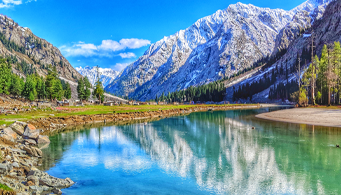
A beautiful alpine lake at 2,883 metres, accessible by jeep through spectacular mountain terrain from Kalam. The turquoise water surrounded by mountains and meadows is one of Khyber Pakhtunkhwa’s most photogenic destinations — and one of Pakistan’s most underrated lakes.
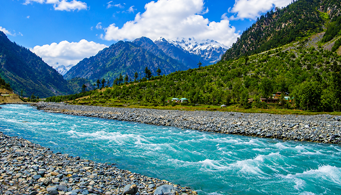
One of upper Swat’s finest and most rewarding off-the-beaten-track destinations — a pristine river valley branching from Kalam with spectacular mountain scenery, dense forest, cascading streams, and traditional Kohistani villages. The Gabral Valley road offers some of the most beautiful driving in all of Swat.
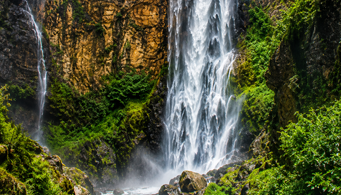
A magnificent high-altitude waterfall accessible from upper Kalam Valley — one of the tallest and most dramatic waterfalls in Swat. The trek to Jarogo passes through extraordinary pine forest and high-altitude meadows, making the journey as rewarding as the destination itself.
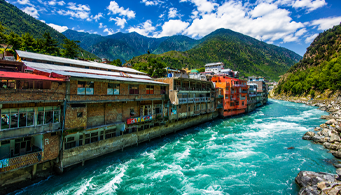
A lively bazaar town on the Swat River between Mingora and Kalam — the most atmospheric market town in the valley, famous for its wooden bridge, riverside bazaar, and the junction where the Swat River narrows between steep mountains. Excellent food, local crafts, and a genuine insight into commercial mountain life.
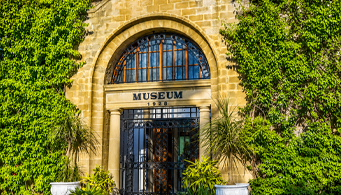
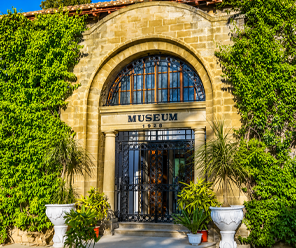
One of South Asia’s outstanding collections of Gandhara Buddhist art — stone sculptures, architectural fragments, and artefacts spanning 1,200 years of Buddhist civilisation from 200 BC to 900 AD. The outdoor site at Butkara Stupa adds architectural context.
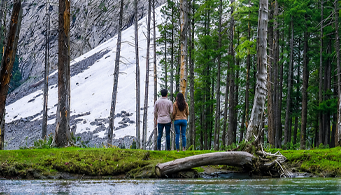
One of Pakistan’s most beautiful and least-disturbed natural forests — ancient cedar and deodar fir trees, hiking trails through cathedral-like forest, mountain streams, and views of the Swat highlands above. Especially stunning in autumn.
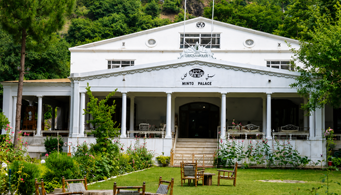
A historic summer palace built by the Wali of Swat in the 1940s in the lush Marghazar Valley — white marble building set against green mountains and a mountain stream, creating one of Swat’s most picturesque and peaceful scenes.
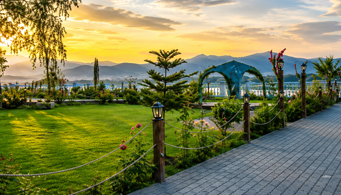
A picturesque riverside park in Mingora where the clear mountain water of the Swat River creates a beautiful setting for walks, picnics, and relaxation. The river is a constant companion throughout the entire valley journey.
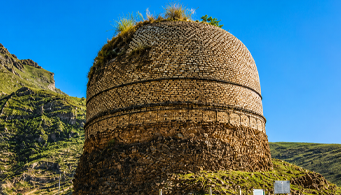
The most significant outdoor Buddhist archaeological site in Swat — a large stupa complex near Saidu Sharif dating to the 3rd century BC, with successive building phases through 1,000 years of Buddhist use.
The former royal garden of Swat’s ruling family — a beautifully maintained garden in Saidu Sharif with mature trees, walking paths, and a cultural monument to the Wali who modernised the region.
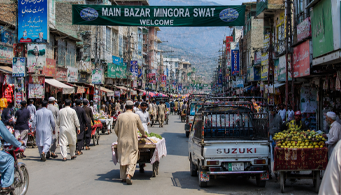
Swat produces some of the finest emeralds in the world. The bazaars of Mingora have numerous gemstone shops where genuine Swat emeralds can be purchased directly from local traders at prices far lower than international markets.

Swat’s Gandhara Buddhist heritage is among the most significant in South Asia — the museum and dozens of outdoor sites offer a remarkable window into 2,000 years of history.

Swat is the most family-friendly mountain destination in northern Pakistan — excellent roads, wide-ranging accommodation, and activities for all ages.

The combination of green valleys, rivers, pine forests, Gabral Valley, and mountain peaks makes Swat visually extraordinary.

Malam Jabba offers Pakistan’s best skiing and snowboarding. The dramatic winter scenery makes Swat an excellent cold-weather destination.

Lush green valleys, riverside Kalam lodges, and the privacy of Gabral Valley create a deeply romantic setting for couples.
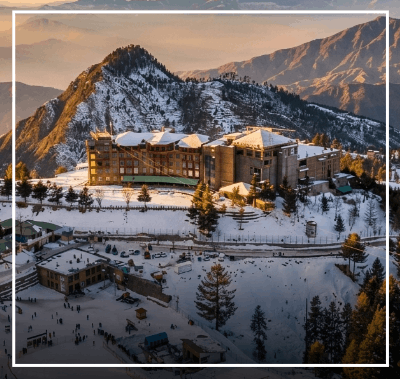
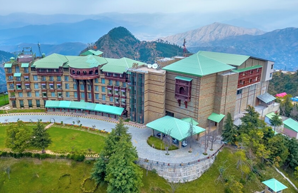
Well-appointed resorts in Swat and around Malam Jabba offering premium rooms, mountain views, private dining, and direct access to outdoor activities.
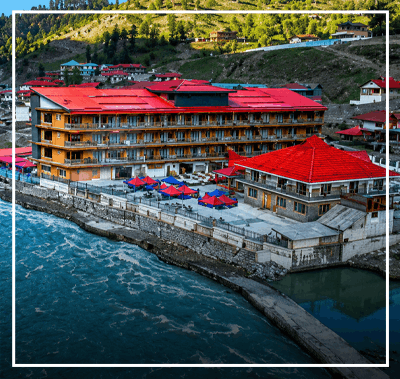
The finest lodges in upper Swat sit directly beside the river — the sound of flowing water, mountain views, and excellent local cuisine.
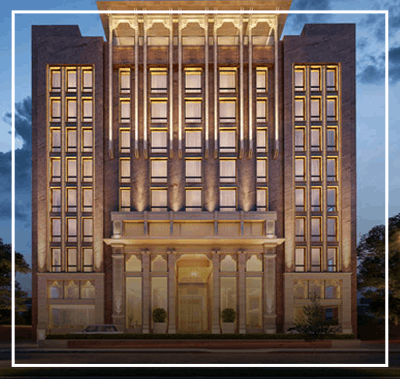
Heritage-style properties offering traditional architecture, local crafts, personal service, and genuine Pakhtun hospitality.

Spring Green

Peak Summer

Winter & Skiing
A glimpse of the lush green landscapes, vibrant culture, and unforgettable experiences that make Swat Valley one of Pakistan’s most beautiful destinations.
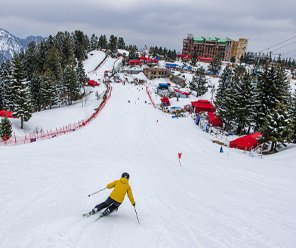
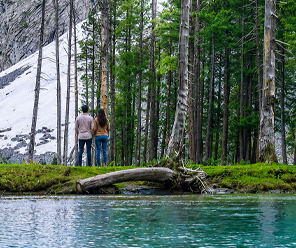
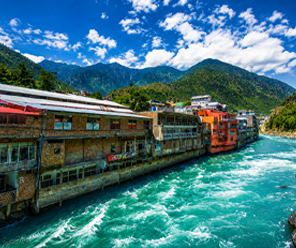
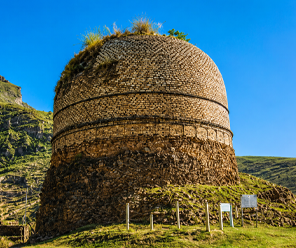
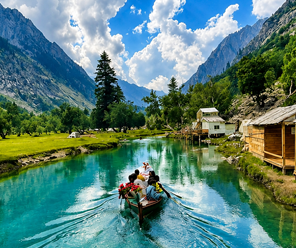
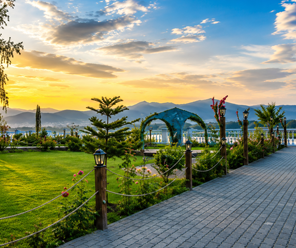
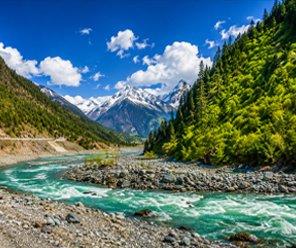
Swat earned the comparison for its lush green mountains, clear rivers, and Alpine-style scenery — a comparison made famous by Queen Elizabeth II after her 1961 visit.
Kalam Valley, Gabral Valley, Malam Jabba Ski Resort, Mahodand Lake, the Swat Museum, Butkara Stupa, Jarogo Waterfall, Bahrain bazaar, Ushu Forest, and the Mingora emerald bazaars.
Approximately 4–5 hours from Islamabad via the modern Swat Motorway. Roads are well-maintained. ToursDePakistan arranges private vehicles with experienced local drivers.
Yes. Swat has been a popular and safe tourist destination for several years following substantial government investment. Thousands of international tourists visit annually.
A pristine river valley branching from Kalam in upper Swat — one of the valley’s finest off-the-beaten-track destinations with spectacular mountain scenery, dense forest, and traditional Kohistani villages.
A magnificent high-altitude waterfall accessible by trek from upper Kalam — one of the tallest and most dramatic waterfalls in Swat, set in outstanding pine forest and mountain scenery.
Swat was one of the most important regions of the ancient Gandhara civilisation — a Buddhist culture flourishing from 200 BC to 900 AD. The Swat Museum and Butkara Stupa preserve this remarkable heritage.
Spring (April–June) for lush green scenery; summer (July–September) for Kalam and upper valley; December–February for skiing at Malam Jabba.
A lively bazaar town on the Swat River between Mingora and Kalam — famous for its wooden bridge, riverside bazaar, and mountain atmosphere. One of the valley’s most authentic and atmospheric market towns.
Yes. Swat produces world-class emeralds. Mingora and Saidu Sharif bazaars have genuine Swat emeralds at very competitive prices.
Absolutely. One of Pakistan’s most family-friendly mountain destinations with good roads, wide accommodation range, and activities for all ages.
An alpine lake at 2,883 metres, 40 km above Kalam by jeep — turquoise water surrounded by mountains and meadows. One of Khyber Pakhtunkhwa’s most photogenic destinations and significantly underrated by international tourists.
4–5 days for the main valley. 6–7 days to properly explore Kalam, Gabral Valley, Mahodand Lake, and the Gandhara heritage sites.
Yes — often combined with Chitral, Dir, Kumrat Valley, or Naran Kaghan for a broader KPK itinerary.
Yes — fully private, customised itineraries including transport, accommodation, heritage guides, Gabral Valley access, and adventure activities.