Pakistan’s Most Iconic Mountain Destination.
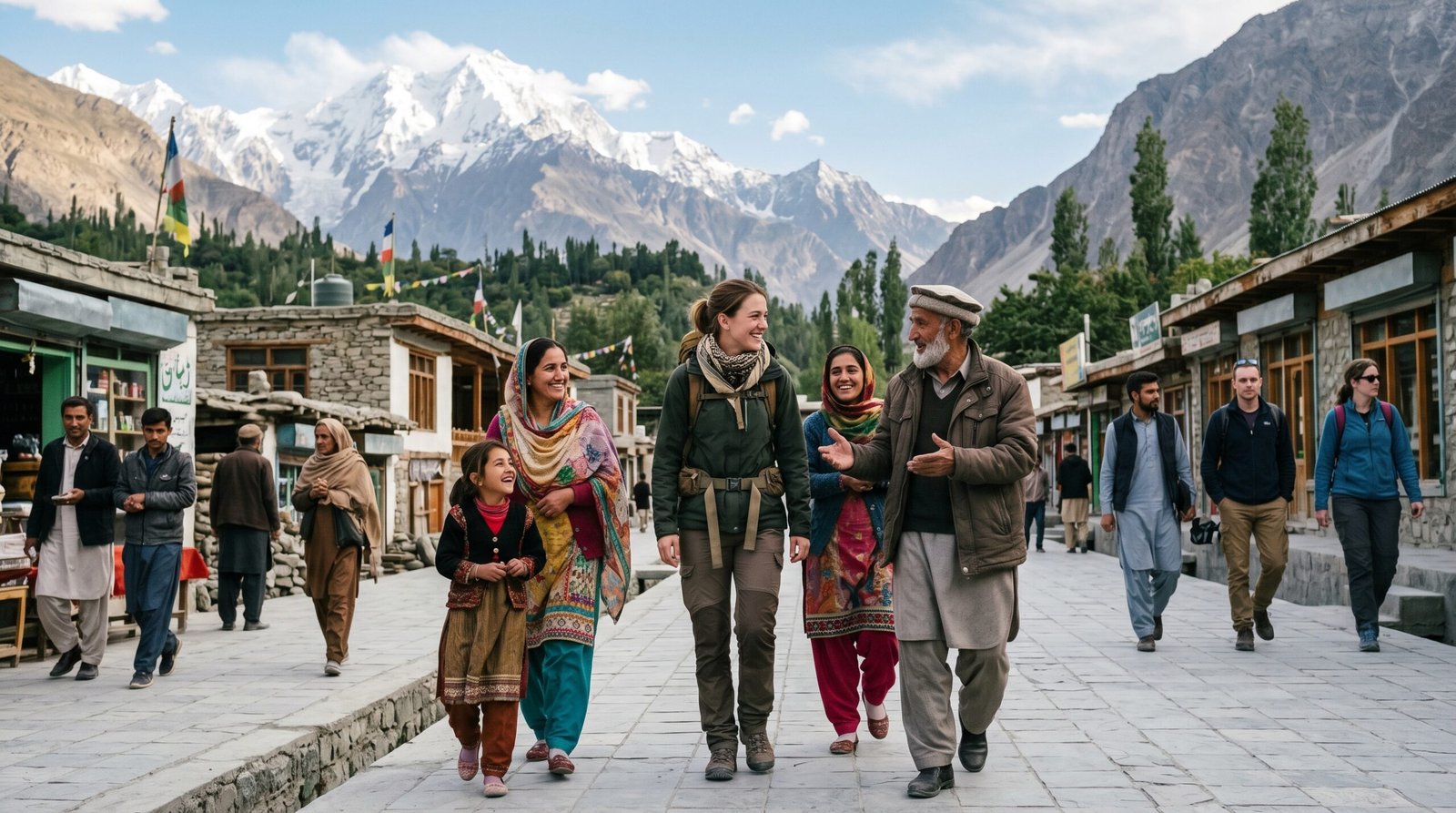
Hunza Valley is ideal for travelers seeking mountain scenery, authentic cultural experiences, luxury stays, scenic road trips, and unforgettable photography opportunities. Whether you’re planning a honeymoon, a family holiday, or a private luxury journey through northern Pakistan, Hunza offers some of the country’s most rewarding travel experiences.
Our Hunza Valley itineraries are designed around your travel style — whether you want a focused 5-day escape, a comprehensive 10-day northern circuit, or a multi-week grand journey across all of Pakistan’s north. Every journey is private and fully customisable.
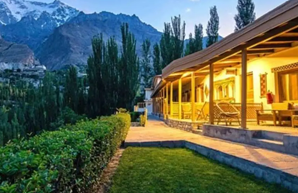
6 Days • Private Luxury Journey
A private luxury Hunza Valley tour package focused on premium resorts, signature viewpoints and an unhurried pace — ideal for travelers who want Hunza’s best sights without a packed schedule.
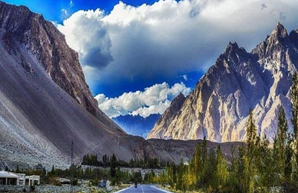
10 Days • Private Journey
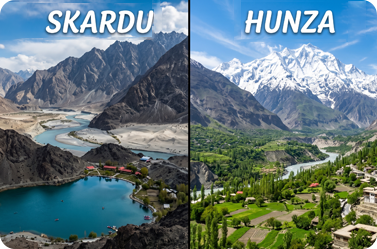
A private 10-day Hunza and Skardu tour package exploring Pakistan’s most extraordinary mountain landscapes — Attabad Lake, Passu Cones, Khunjerab Pass, Deosai, and
Shangrila Resort.
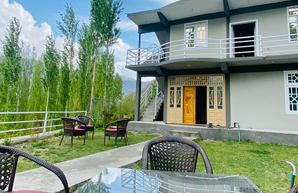
8 Days • Flagship Private Journey
Our most complete Hunza Valley tour package — forts, lakes, Naltar Valley and Khunjerab Pass in one comprehensive 8-day itinerary.
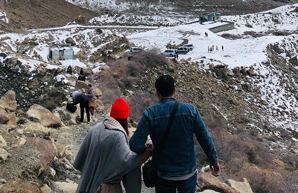
5 Days • Private Honeymoon Journey
A romantic Hunza Valley tour package built around sunset viewpoints, private boat rides and candlelight dinners for couples and newlyweds.
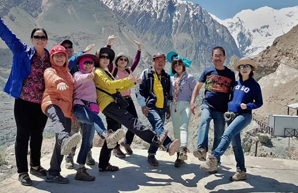
7 Days • Private Family Journey
A family-friendly Hunza Valley tour package with an easy pace, kid-friendly stops and comfortable resorts suited to all ages.
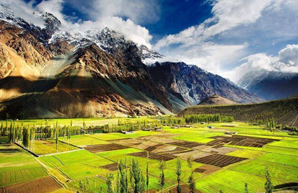
8 Days • Private Photography Journey
A Hunza Valley photography tour package built around golden-hour timing, sunrise and sunset viewpoints, and flexible scheduling for photographers.A romantic Hunza Valley tour package built around sunset viewpoints, private boat rides and candlelight dinners for couples and newlyweds.
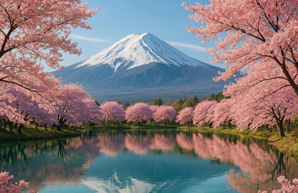
5 Days • Seasonal Spring Journey
A short spring-only Hunza Valley tour package timed to the region’s brief cherry blossom season in late March and early April.
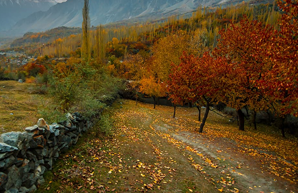
5 Days • Seasonal Spring Journey
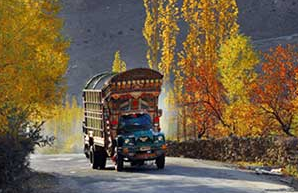
A 6-day Hunza Valley tour package timed to the region’s golden autumn foliage in late September and October.
5 Days • Seasonal Spring Journey
A 7-day Hunza Valley tour package centered on royal heritage, UNESCO-recognized villages, local artisans and traditional Hunza culture.
9 Days • Overland Road Trip
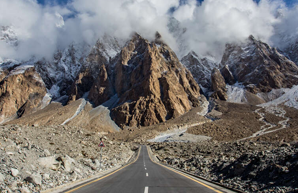
A 9-day overland Karakoram Highway tour package from Islamabad to Khunjerab Pass and back, with Chilas petroglyphs and a Nanga Parbat viewpoint en route.
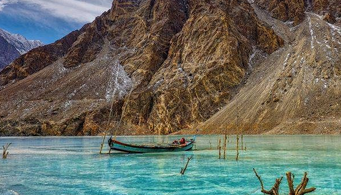
Formed by a catastrophic 2010 landslide that submerged the town of Attabad, this 21-km turquoise lake is now one of Pakistan’s most iconic sights. The vivid cerulean water — coloured by glacial mineral content — against bare golden cliffs is genuinely surreal. We arrange private boat crossings so you experience the lake from the water, not just the roadside.
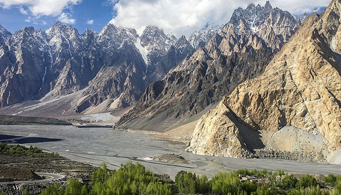
A row of needle-sharp granite spires rising to 6,106m that form what many consider the most dramatic natural skyline in the Karakoram. The Cones are best photographed at sunrise when low light carves deep shadows across their fluted ridges. We time your Passu visit to catch this golden-hour spectacle. Nearby Passu Glacier is an easy 2-hour walk.
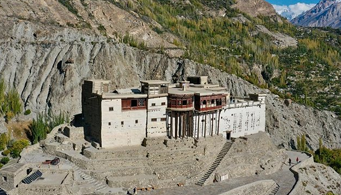
The former palace of the Mirs of Hunza, Baltit Fort stands sentinel over Karimabad at 2,800m — a seven-storey mud-and-timber structure believed to be 700 years old. Restored by the Aga Khan Trust for Culture, it houses original royal artefacts, carved wooden interiors, and one of the finest panoramic views in the valley. Our guides bring the Mir dynasty’s history to life in ways no guidebook can.
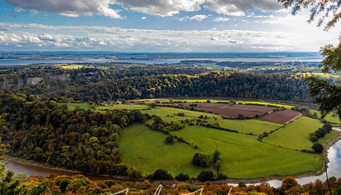
At 3,100m above sea level, Eagle’s Nest is Pakistan’s ultimate sunrise viewpoint. From here you can see Rakaposhi (7,788m), Ultar Sar (7,388m), Ladyfinger Peak (6,000m), and the full sweep of the Hunza Valley in a single 360-degree panorama. We offer an optional early-morning drive for photographers wanting pre-dawn light — the valley mist at 5am is extraordinary.
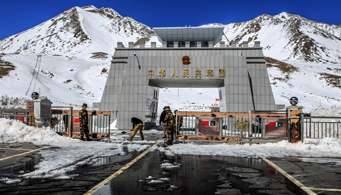
At 4,693m, Khunjerab Pass is the world’s highest paved international border crossing — the point where Pakistan meets China on the ancient Silk Road. The landscape above 4,000m is extraordinary: high-altitude steppe, seasonal snow, and the chance to spot Marco Polo sheep grazing near the road. Standing at the border marker with the Karakoram behind you is a genuinely bucket-list moment.
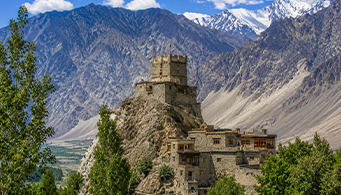
Older than Baltit by some estimates — local tradition puts it at 900 years — Altit Fort clings to a dramatic cliff above the Hunza River gorge. Also restored by the Aga Khan Trust, it is accessed via a walk through old Altit village, passing carved wooden doorways and apricot orchards that feel unchanged for centuries. A less-visited complement to Baltit that rewards the extra effort.
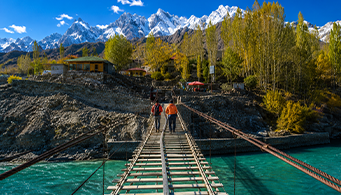
Spanning the Hunza River near Passu, Hussaini is one of the world’s most thrillingly precarious bridges — a narrow plank walkway suspended on fraying ropes over a rushing glacial torrent. For adventurous travellers it is a rite of passage. For photographers, the view back along the bridge with Passu Cones behind it is unmissable. Crossing is optional; the view from the bank is spectacular either way.
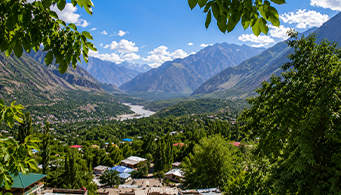
Rakaposhi (7,788m) dominates the southern approach to Hunza — a pyramid of ice and rock that fills your windscreen for an hour on the KKH. The classic viewpoint beside the Rakaposhi View Point Hotel offers the best close-up angle. For those wanting more, the 2–3 hour trek to Minapin Glacier base offers glacier access without technical equipment.
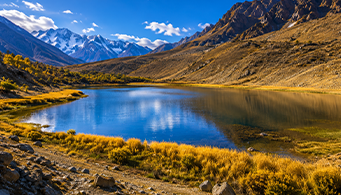
A peaceful wetland near Passu village, Borith Lake is a birder’s favourite and a photographer’s quiet alternative to the crowded Attabad roadside. The lake reflects Passu Cones in perfect symmetry on still mornings and attracts migratory waterfowl in spring and autumn. Reached in 30 minutes on foot from the KKH.
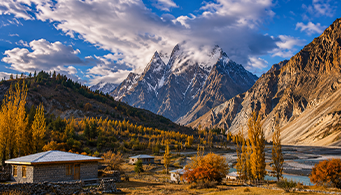
The cultural heart of Gojal — the Upper Hunza region inhabited by Wakhi-speaking people. Gulmit’s traditional stone homes, the Gulmit Cultural Museum, and its reputation for warm hospitality make it one of the most rewarding village stops on the entire KKH. Local women demonstrate traditional weaving and handicraft making; the Gulmit bazaar sells embroidered caps and handmade jewellery.
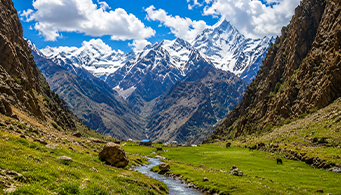
A 45-kilometre jeep track east of Passu leads into Shimshal Valley — one of Pakistan’s most remote inhabited valleys and a base for serious mountaineering (Shimshal Pass at 4,735m, Yazghil Glacier). The village of Shimshal itself is a living example of traditional Wakhi pastoralism. We arrange Shimshal day trips and overnight stays for travellers seeking genuine off-the-beaten-track Pakistan.
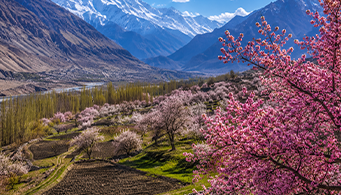
Directly across the Hunza River from Karimabad, Nagar Valley is Hunza’s quieter twin — less visited, equally beautiful, and home to Hopper Glacier, Hispar Glacier, and a string of traditional villages. The drive to Hopper is an easy half-day excursion from Karimabad with magnificent close-up glacier views. Nagar feels like Hunza 20 years ago.
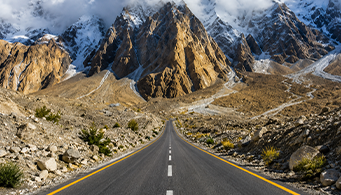
Known as the “Eighth Wonder of the World,” the KKH took 20,000 Pakistani and Chinese workers 20 years to build and passes through some of the highest and most dramatic terrain on earth. The full drive from Islamabad to Khunjerab follows the ancient Silk Road caravan route. Every kilometre through Hunza — from the Hunza River gorge at Aliabad to the high plateau above Passu — is exceptional. We plan multiple photography stops into every KKH transfer.

Hunza now has genuine luxury mountain accommodation — the Serena Hunza, Eagle’s Nest Hotel, and a growing collection of boutique chalets deliver international-standard service with jaw-dropping mountain views. Combined with private vehicles, dedicated guides, and customised itineraries from Tours de Pakistan, Hunza is a world-class luxury destination.

Hunza is unusually family-friendly for a mountain destination. The Karakoram Highway is paved, most highlights are roadside or gentle walks, and the valley is extremely safe. Children love the boat ride on Attabad Lake, the fort climbs at Baltit and Altit, and the apricot orchards. Elderly family members travel comfortably throughout.

Hunza is a photographer’s obsession. Passu Cones, Eagle’s Nest sunrise, Hussaini Bridge with the Cones behind it, Attabad Lake from a boat, cherry blossom orchards against Rakaposhi in April, golden autumn in October — every season offers a different photographic masterpiece. Our photography journeys include dedicated timing for best light.

Beyond the scenic drives, Hunza offers Minapin Glacier trekking, the Shimshal Valley jeep track, the Hussaini Bridge crossing, and access to serious mountaineering routes. Khunjerab Pass can be cycled by experienced cyclists. Jeep safaris into the upper valleys add genuine adventure.

The Burusho people of Hunza have their own language (Burushaski — a language isolate with no known relatives), their own musical tradition, their own food culture (dried apricots, walnut oil, buckwheat), and a history as an independent kingdom until 1974. Cultural Hunza is as rich as scenic Hunza.
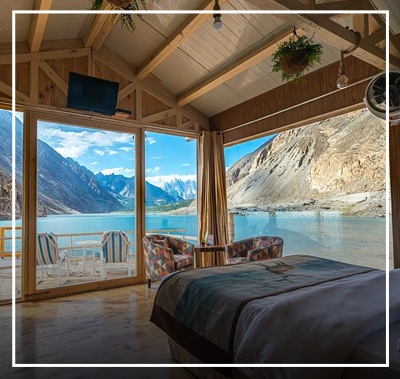
Serena Hunza is the flagship — a heritage-style resort in Karimabad with rooms from PKR 40,000–80,000/night, mountain-view terraces, and Aga Khan Development Network standards. The Eagle’s Nest Hotel at Duikar (3,100m) is unique globally: a mountain lodge at altitude with unobstructed Rakaposhi views. Tours de Pakistan secures preferred rates and room upgrades at both properties.
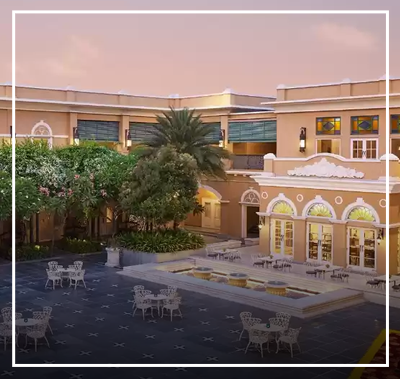
Old Hunza Inn and Darbar Hotel in Karimabad are owner-operated boutique properties in restored traditional stone-and-timber structures. Rooms range PKR 15,000–35,000/night. The personal hospitality from local families and the architectural character make these our most popular mid-range recommendation.
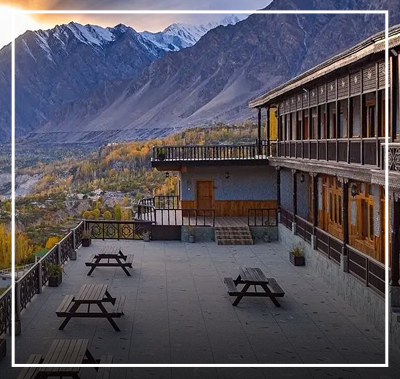
Passu Inn at Passu village, Gulmit Continental in Upper Hunza, and the cluster of small lodges near Hussaini Bridge offer simple but characterful accommodation in the upper valley. Ideal for travellers who want to spend the night at Passu for sunrise Cones photography or for those doing multi-day upper valley explorations.

Cherry Blossoms

Mountain Summer

Autumn Colors
A glimpse of the landscapes, culture, and experiences that make Hunza Valley one of Pakistan’s most extraordinary destinations.
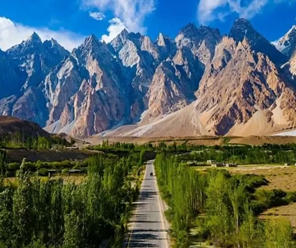
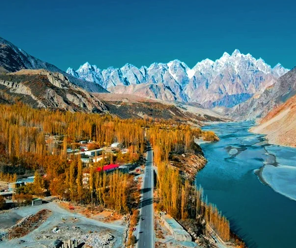
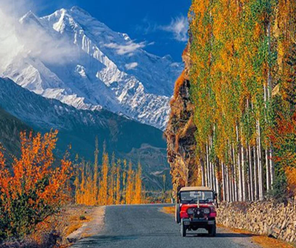
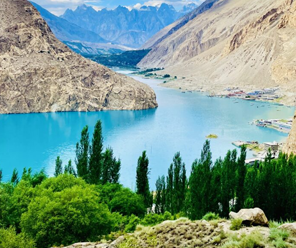
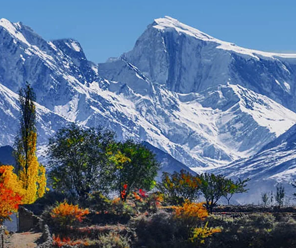
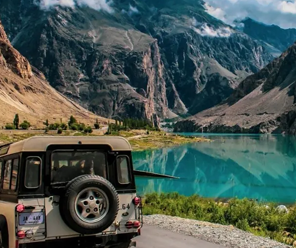
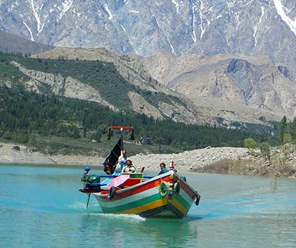
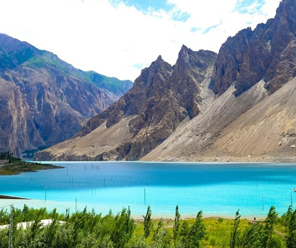
Hunza Valley is famous for its spectacular mountain scenery, turquoise lakes, historic forts, welcoming local culture, and unforgettable road journeys along the Karakoram Highway. It is considered one of Pakistan’s most iconic travel destinations.
Some of the most popular attractions in Hunza include Attabad Lake, Passu Cones, Baltit Fort, Altit Fort, Eagle’s Nest Viewpoint, Hussaini Suspension Bridge, and Khunjerab Pass.
Most travelers spend between 4 and 7 days in Hunza Valley. Longer itineraries allow visitors to combine Hunza with destinations such as Skardu, Fairy Meadows, or Naran Kaghan.
Hunza can be visited throughout the year. Spring (March–May) is known for cherry blossoms, summer (June–August) offers ideal weather for sightseeing, and autumn (September–November) is famous for vibrant fall colors.
Yes. Hunza is one of Pakistan’s most family-friendly destinations and is also a popular choice for honeymooners, photographers, and luxury travelers seeking scenic and peaceful experiences.
Hunza offers a variety of accommodation options including luxury resorts, boutique heritage properties, scenic mountain lodges, and family-friendly hotels with spectacular valley views.
Hunza is accessible by road via the Karakoram Highway from Islamabad. Many travelers also combine domestic flights to Gilgit with a scenic drive to Hunza.
Absolutely. Many travelers combine Hunza with Skardu, Fairy Meadows, Naran Kaghan, or broader Northern Pakistan itineraries for a more comprehensive travel experience.
Hunza is widely regarded as one of Pakistan’s most welcoming destinations. Visitors from around the world travel to Hunza each year to experience its landscapes, culture, and hospitality.
Yes. ToursDePakistan specializes in private and customized journeys that can be tailored around your travel dates, interests, accommodation preferences, and available time.