Lahore is essential for any visitor to Pakistan wanting to understand the country’s history, culture, architecture, and food. As the heart of the Mughal Empire in South Asia and later the Sikh Empire, Lahore is a city of extraordinary layered heritage — alive and vibrant in a way few cities in Asia can match. It is the ideal destination for cultural travellers, food lovers, history enthusiasts, and anyone seeking a rich urban experience that goes far beyond the mountains.
Whether you are seeking a deep cultural immersion in Mughal history, a food-focused city tour, a private guided exploration of the Walled City, or Lahore as part of a wider Pakistan journey, our Lahore experiences are crafted to reveal the city’s full depth with expert guides and curated access.
03 Days 02 Nights Tour
The definitive Lahore experience — Lahore Fort, Badshahi Mosque, Walled City walking tour, Shalimar Gardens, Data Darbar, and Fort Road Food Street — with specialist heritage guide and luxury accommodation.
02 Days 01 Nights Tour
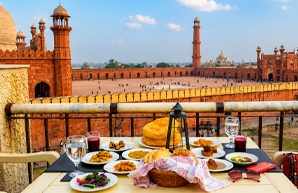
A focused culinary and cultural exploration — Anarkali bazaar, Gawalmandi Food Street, Lahori karahi at Fort Road, breakfast halwa puri in the Walled City, and Lahore Museum.
14 Days 13 Nights Tour
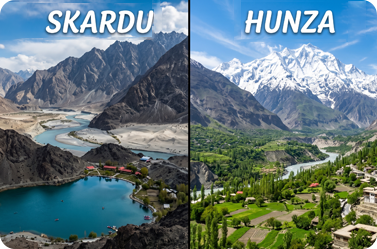
The complete Pakistan journey — Lahore’s Mughal heritage followed by Hunza Valley, Skardu, or Fairy Meadows. The perfect combination of cultural depth and mountain grandeur.
04 Days 03 Nights Tour
An extended cultural exploration — Lahore Fort, Shalimar Gardens, Walled City bazaars, Lahore Museum, Jahangir’s Tomb, Nur Jahan’s Tomb, and Thursday night qawwali at Data Darbar.
03 Days 02 Nights Tour
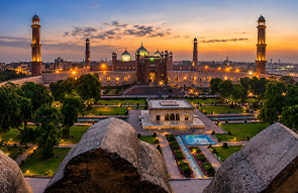
For photographers — golden-hour Hazuri Bagh, Walled City street photography, Badshahi Mosque interiors, Data Darbar Thursday night, and Fort Road at midnight.
02 Days 01 Nights Tour
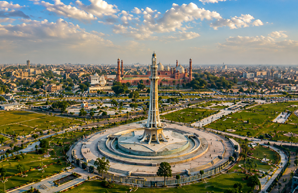
Private guided tour of major monuments, evening at Fort Road Food Street, luxury hotel, and seamless airport transfers.
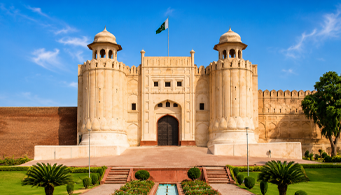
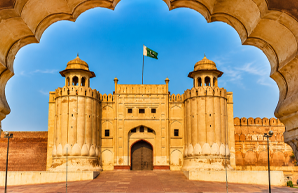
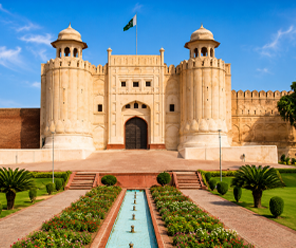
A 425-year-old citadel serving as the residence of Mughal emperors Akbar, Jahangir, Shah Jahan, and Aurangzeb. Its 21 notable monuments span four centuries of architectural history. The Sheesh Mahal (Palace of Mirrors) — its walls encrusted with thousands of mirror fragments and coloured glass — is one of the most extraordinary interiors in South Asia. The Naulakha Pavilion of white marble inlaid with precious stones is equally breathtaking.
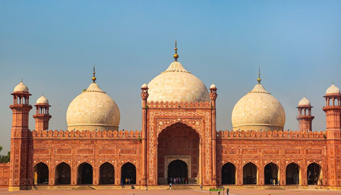
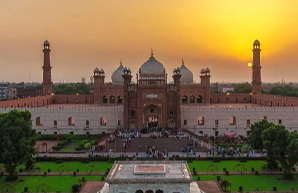
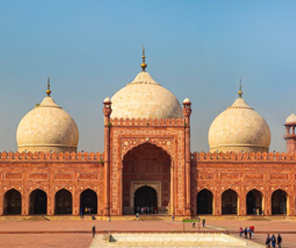
Built by Emperor Aurangzeb in 1673 in just two years. For 313 years it was the largest mosque in the world. Its red sandstone and white marble exterior is one of the finest examples of Mughal architecture on Earth — particularly extraordinary at sunset when the mosque’s domes and minarets glow golden from Hazuri Bagh garden.
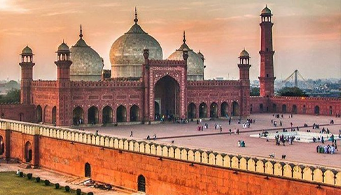
A labyrinth of narrow streets, bazaars, havelis, mosques, shrines, and workshops continuously inhabited for over 2,000 years. The 13 historic gates include the famous Delhi Gate and Bhati Gate. A guided walking tour through the Walled City is one of the most immersive cultural experiences available anywhere in Pakistan.
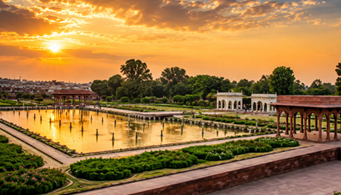
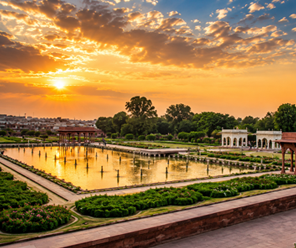
Built by Emperor Shah Jahan in 1641 — a three-tiered Mughal pleasure garden with hundreds of fountains, marble pavilions, and water channels across 16 hectares. One of the finest surviving examples of Mughal landscape design in the world.
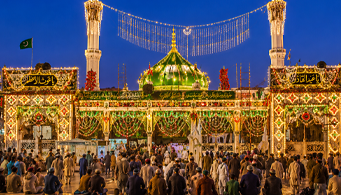
The shrine of 11th-century Sufi saint Data Ganj Bakhsh — the most revered Sufi shrine in South Asia. Every Thursday night, qawwali singers perform through the night in a tradition maintained almost unbroken for a thousand years. Open to visitors of any faith or background.
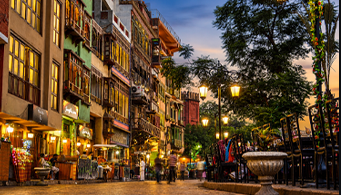
A dedicated food street outside Delhi Gate with Badshahi Mosque and Lahore Fort illuminated as a backdrop. Lahori karahi, nihari, namkeen gosht, and paye — served in a setting that is simultaneously historical and deeply alive. One of the finest open-air dining experiences anywhere in Asia.
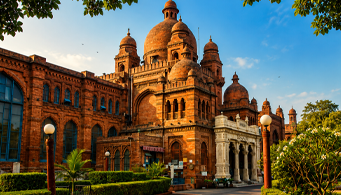
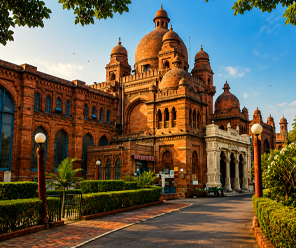
One of the finest museums in South Asia — home to the famous Gandhara Fasting Buddha, extraordinary Mughal miniature paintings, Sikh Empire artefacts, and a collection spanning Pakistan’s entire 5,000-year history.
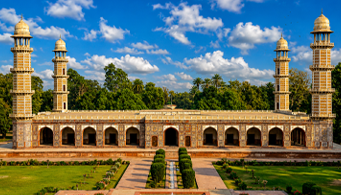
The mausoleum of Emperor Jahangir in the gardens of Shahdara. The tomb’s extraordinary geometric inlay work in marble and semi-precious stones makes it one of Lahore’s most beautiful monuments — less visited but arguably more intimate than the Fort.
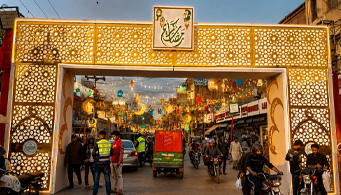
The oldest continuously operating bazaar in South Asia — named after the legendary Mughal dancing girl. A walk through Anarkali is a walk through living history — hundreds of shops selling textiles, spices, jewellery, and traditional crafts.
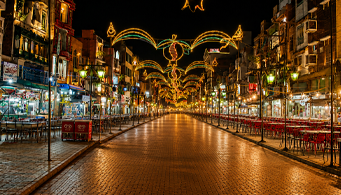
Lahore’s most famous traditional food street — a densely packed neighbourhood of restaurants and food stalls specialising in Lahori cuisine since the 19th century. The most authentic experience of Lahori food culture: nihari, paye, and halwa puri breakfast.

More historical monuments per square kilometre than almost any other South Asian city — Mughal, Sikh, and colonial-era heritage across centuries.

Lahori cuisine is the finest in South Asia — Fort Road Food Street at midnight, Gawalmandi for breakfast, and the full karahi and nihari tradition.

The Walled City, Lahore Fort, Data Darbar, and golden-hour Hazuri Bagh views offer extraordinary photography at every turn.

Excellent five-star accommodation including Pearl Continental and Avari, alongside boutique heritage properties.

If you want to understand Pakistan — its history, music, food, and people — Lahore is where you go.
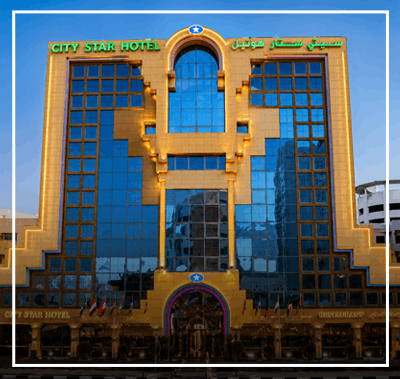
Shigar Fort Serena Hotel and Khaplu Palace are two of Pakistan’s most extraordinary heritage stays — UNESCO-awarded restoration projects combining centuries of history with exceptional comfort, local craftsmanship, and curated dining.
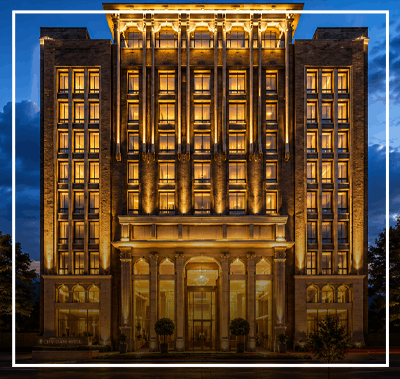
Shigar Fort Serena Hotel and Khaplu Palace are two of Pakistan’s most extraordinary heritage stays — UNESCO-awarded restoration projects combining centuries of history with exceptional comfort, local craftsmanship, and curated dining.
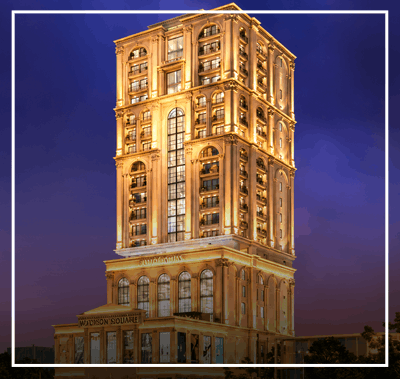
Shigar Fort Serena Hotel and Khaplu Palace are two of Pakistan’s most extraordinary heritage stays — UNESCO-awarded restoration projects combining centuries of history with exceptional comfort, local craftsmanship, and curated dining.

Autumn Ideal

Winter Culture Season

Spring Visit
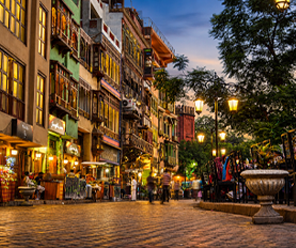
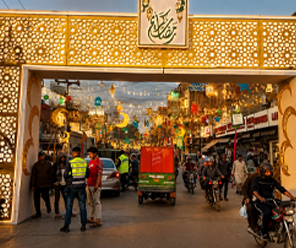
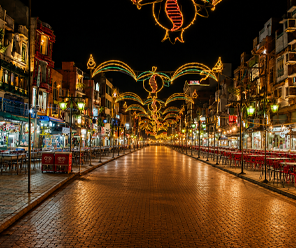
A glimpse of the vibrant culture, historic landmarks, and unforgettable experiences that make Lahore one of Pakistan’s most iconic and lively destinations.
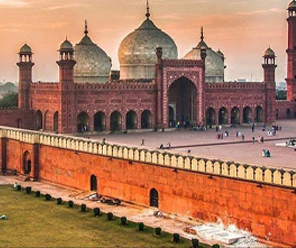
Lahore served as capital of the Mughal Empire under emperors Akbar, Jahangir, Shah Jahan, and Aurangzeb — accumulating an extraordinary concentration of architecture, art, and culture. It later served as capital of the Sikh Empire and Punjab under the British.
Lahore Fort (Shahi Qila), Badshahi Mosque, Walled City walking tour, Shalimar Gardens, Data Darbar shrine, Fort Road Food Street, the Lahore Museum, Jahangir’s Tomb, and Anarkali Bazaar.
Lahore Fort and Shalimar Gardens are jointly inscribed as a UNESCO World Heritage Site. Together with Badshahi Mosque they represent one of the world’s finest concentrations of Mughal heritage.
Karahi (meat in a wok with tomatoes and spices), nihari (slow-cooked beef stew), paye (trotters), halwa puri breakfast, and the extraordinary street food of Gawalmandi and Fort Road.
Yes. Lahore is a modern, cosmopolitan city and one of Pakistan’s safest for international visitors. Tourist areas are well-maintained and welcoming.
October to February. October–November is ideal — pleasant temperatures, clear skies. Summer months are very hot and best avoided for outdoor sightseeing.
Minimum 2–3 days for the main historical sites. 4–5 days allows a relaxed experience including the Walled City, food exploration, museum visits, and cultural evenings.
The shrine of Sufi saint Data Ganj Bakhsh — the most revered Sufi shrine in South Asia. Thursday night qawwali has continued almost unbroken for nearly a thousand years. Free and open to all visitors.
A dedicated food street outside Delhi Gate with Badshahi Mosque and Lahore Fort as an illuminated backdrop — one of the finest open-air dining experiences in Asia, serving Lahori karahi, nihari, and traditional dishes from evening to midnight.
The Gandhara Fasting Buddha (described by Rudyard Kipling as the ‘Jewel of the Museum’), extraordinary Mughal miniature paintings, Sikh Empire artefacts, and a collection spanning 5,000 years of Pakistani history.
Absolutely. Most international visitors combine Lahore (2–3 days) with northern Pakistan — Hunza, Skardu, or Fairy Meadows. Lahore is the international arrival and departure gateway.
A 2,000-year-old urban core continuously inhabited since ancient times — 13 historic gates, narrow bazaar streets, Mughal-era havelis, mosques, and shrines. One of the most immersive cultural walking experiences in South Asia.
The mausoleum of Mughal Emperor Jahangir in the gardens of Shahdara — famous for extraordinary inlay work in marble and semi-precious stones. Less visited than the Fort but considered by many to be Lahore’s most beautiful monument.
Anarkali Bazaar for traditional textiles and crafts; Liberty Market and Packages Mall for modern shopping; the Walled City bazaars for spices, jewellery, and traditional handicrafts at their most authentic.
Yes — private guided tours covering all major monuments, the Walled City, cultural experiences, and curated food tours with specialist heritage guides.